
US Election Results Trigger Fresh Pressure on Technology Stocks
Global technology stocks have suffered significant losses following the US midterm elections, as investors assess the possibility of tighter restrictions on artificial intelligence development and data centre construction.
Democratic victories in both chambers of Congress have raised investor concerns because several candidates campaigned on slowing data centre expansion and strengthening oversight of the AI industry.
The sell-off added to existing uncertainty about whether the enormous investments being made in AI infrastructure will generate sufficient returns.
Nasdaq Loses More Than 5.5%
The technology-heavy Nasdaq Composite closed down more than 5.5%, wiping out an estimated $2.5 trillion in market value, according to Dow Jones data cited by the BBC.
The wider US market also experienced substantial losses. The S&P 500 fell 4.4%, while the Dow Jones Industrial Average declined by more than 3.4%.
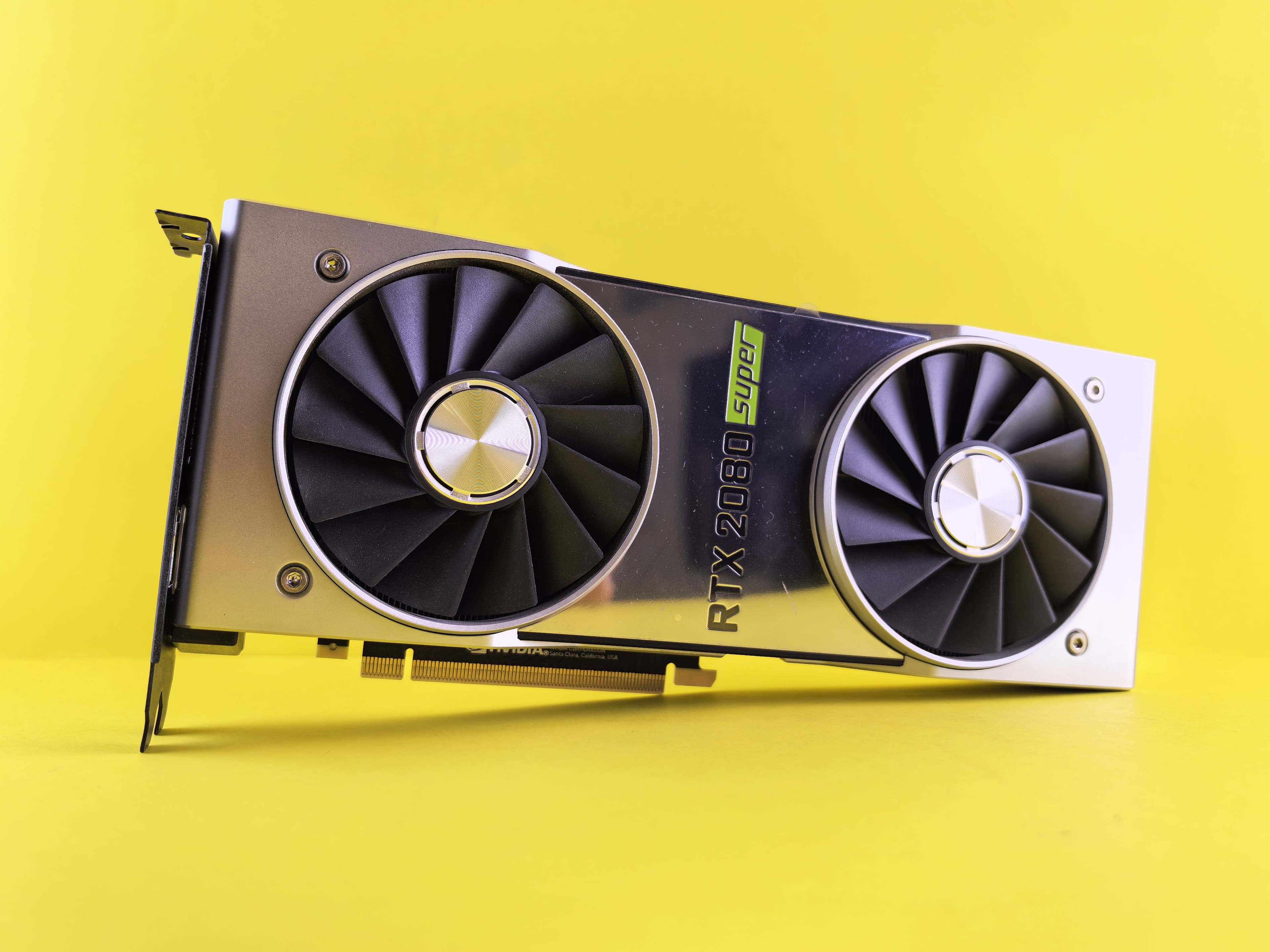
Major technology and semiconductor companies were among the hardest hit. Nvidia shares dropped more than 9%, while AMD and Micron each fell more than 17%. The Philadelphia Semiconductor Index declined by more than 12%.
The impact extended beyond the United States, with Asian technology markets also recording sharp declines.
Asian Semiconductor Companies Face Pressure
Technology-heavy markets across Asia came under pressure as investors reacted to the possibility of slower US data centre development.
Japan's Nikkei 225 fell around 6% in early trading, while South Korea's Kospi dropped more than 8.5%, triggering a temporary trading halt. Taiwan's Taiex also declined by more than 8.3%.
Major semiconductor companies, including SK Hynix, Samsung and TSMC, recorded significant share-price declines.
The developments highlight how closely Asian chipmakers and equipment suppliers are connected to US investment in AI infrastructure.
Data Centre Restrictions Add to Investor Concerns
Several Democratic candidates campaigned against the rapid expansion of data centres, raising concerns about electricity consumption, environmental impact and local infrastructure pressures.
Texas governor-elect Gina Hinojosa, for example, campaigned on a proposed moratorium on new data centre construction.
Some lawmakers have also called for stronger safeguards around AI development. These positions have increased uncertainty about future project approvals, construction timelines and infrastructure spending.
OpenAI president Greg Brockman acknowledged that technology companies need to engage more directly with local communities rather than simply promoting the benefits of new infrastructure. Meta president Dina Powell McCormick also highlighted the need for the industry to communicate AI's benefits more effectively.
AI Investment Faces Growing Scrutiny
The market decline reflects two concerns coming together: political uncertainty around AI infrastructure and questions about whether current levels of investment can deliver expected returns.
Investors have committed substantial capital to data centres, chips and computing infrastructure. If construction slows or regulatory requirements increase, companies across the AI supply chain could face delays and higher costs.
However, the market reaction does not necessarily mean AI development will stop. The longer-term impact will depend on how policymakers approach regulation, infrastructure approvals and technology investment.
What the Sell-Off Means for the Technology Industry
The latest market movements show that AI investment is increasingly influenced by political decisions, infrastructure constraints and financial expectations.
Technology companies may need to demonstrate stronger returns on AI spending while building greater public support for data centre projects.
For investors, the key question is no longer simply how quickly AI can grow, but whether the infrastructure supporting that growth can expand at a sustainable pace.