Nvidia plans to invest $3 billion in Meta Platforms as the two technology giants expand their collaboration on Muse, Meta’s artificial intelligence assistant, and its family of AI models.
Announced on October 27, 2026, the proposed investment will form part of Meta’s equity offering. The partnership will also deepen cooperation on AI infrastructure, model training and inference, as both companies work to improve the performance and efficiency of increasingly sophisticated AI systems.
The deal reinforces Nvidia’s role in the AI ecosystem, extending its relationship with Meta beyond computing hardware into a significant financial investment.
Expanding the Muse AI Ecosystem
Meta is positioning Muse as an important part of its strategy to develop more capable AI assistants and deliver what CEO Mark Zuckerberg describes as personal superintelligence.
AI agents are designed to understand user goals, reason through tasks, use digital tools and complete work with less direct human intervention. Unlike conventional chatbots that primarily respond to prompts, these systems aim to carry out more complex, multi-step activities.
Nvidia and Meta will work more closely on the Muse assistant and related models, focusing on improving training and inference performance. Training involves developing AI models, while inference refers to using those models to generate responses and perform tasks.
Meta Expands Its Nvidia Infrastructure
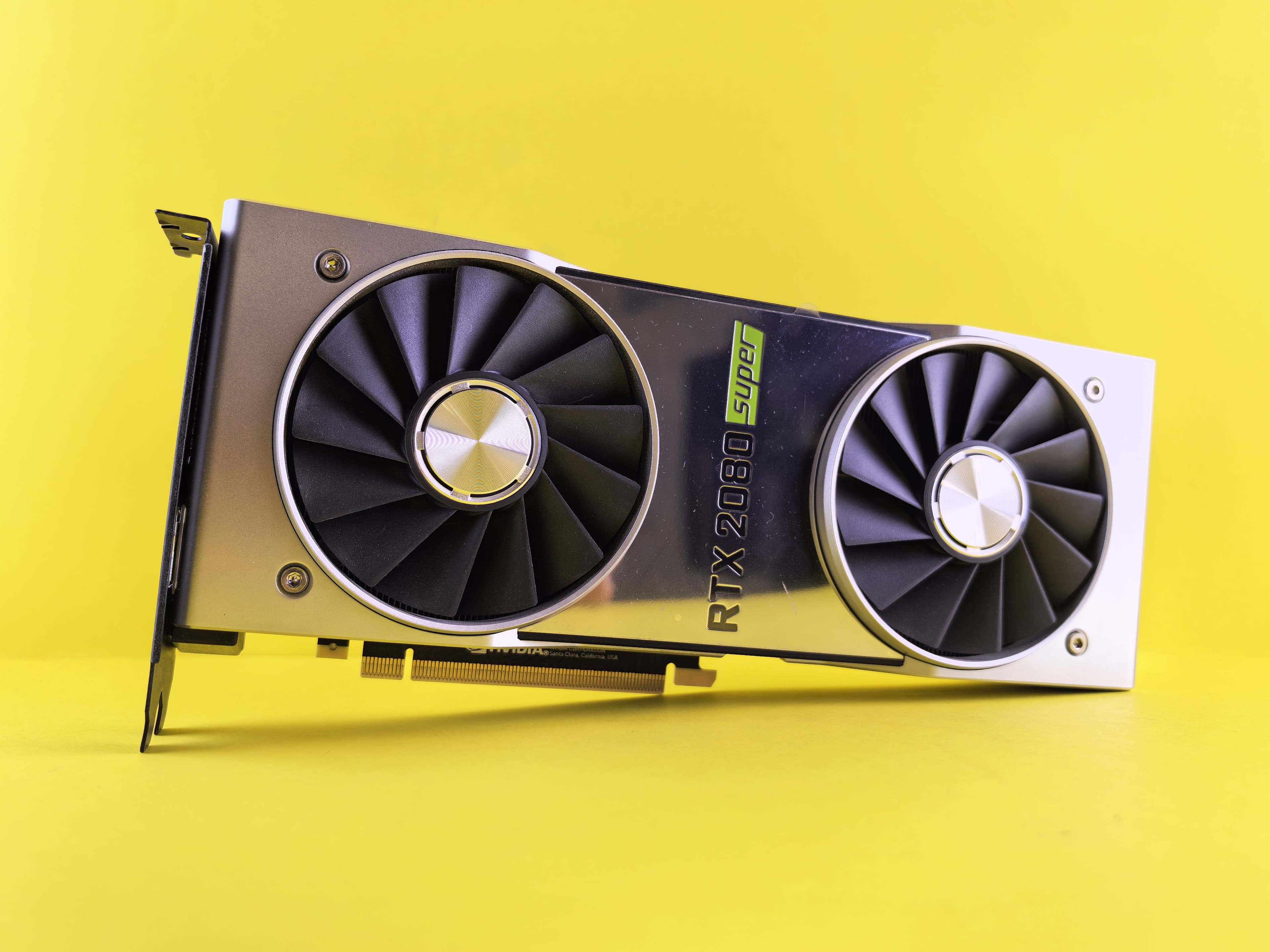
As part of the expanded partnership, Meta plans to deploy additional Nvidia technologies, including Vera Rubin systems, Vera CPUs, Spectrum-X Ethernet networking and BlueField-4 data-processing units.
These technologies are intended to support AI-agent infrastructure, networking efficiency and computing throughput.
The broader collaboration builds on the companies’ existing relationship. In February 2026, Meta and Nvidia announced a long-term infrastructure partnership covering AI data centres, computing platforms, networking and software.
The expanded arrangement reflects the growing importance of integrated infrastructure as AI systems become more complex and demand greater computing resources.
Why Nvidia Is Investing in Meta
Nvidia has established itself as a major supplier of the processors and networking technologies used to develop and operate AI systems. Its proposed $3 billion investment in Meta adds a financial dimension to that commercial relationship.
For Meta, external equity investment can help fund the infrastructure and product development required to compete in the rapidly evolving AI market.
The investment comes as Meta pursues a broader fundraising strategy to support its AI ambitions. The company has also outlined plans to raise capital through additional stock offerings, reflecting the scale of its infrastructure requirements.
However, the proposed investment should not be confused with a completed transaction. The final ownership stake and other investment details depend on the terms of the offering and completion of the deal.
The Growing Race for AI Agents
The partnership highlights an emerging phase of competition in artificial intelligence, where companies are seeking to build systems capable of completing tasks rather than simply generating content.
AI agents could eventually assist with research, coding, scheduling, customer support and other digital workflows. Their development, however, depends on reliable models, computing capacity, secure software environments and effective integration with existing applications.
For Nvidia, the collaboration strengthens its relationship with a major AI developer. For Meta, it supports the infrastructure and model development needed to expand its AI products.
As technology companies invest heavily in agent-based computing, the next competitive advantage may depend on how effectively they combine advanced models, specialised hardware and useful real-world applications.