
Musk Says TeraFab Is the Answer to Powering the AI Future
AI / Machine Learning | 6 min read
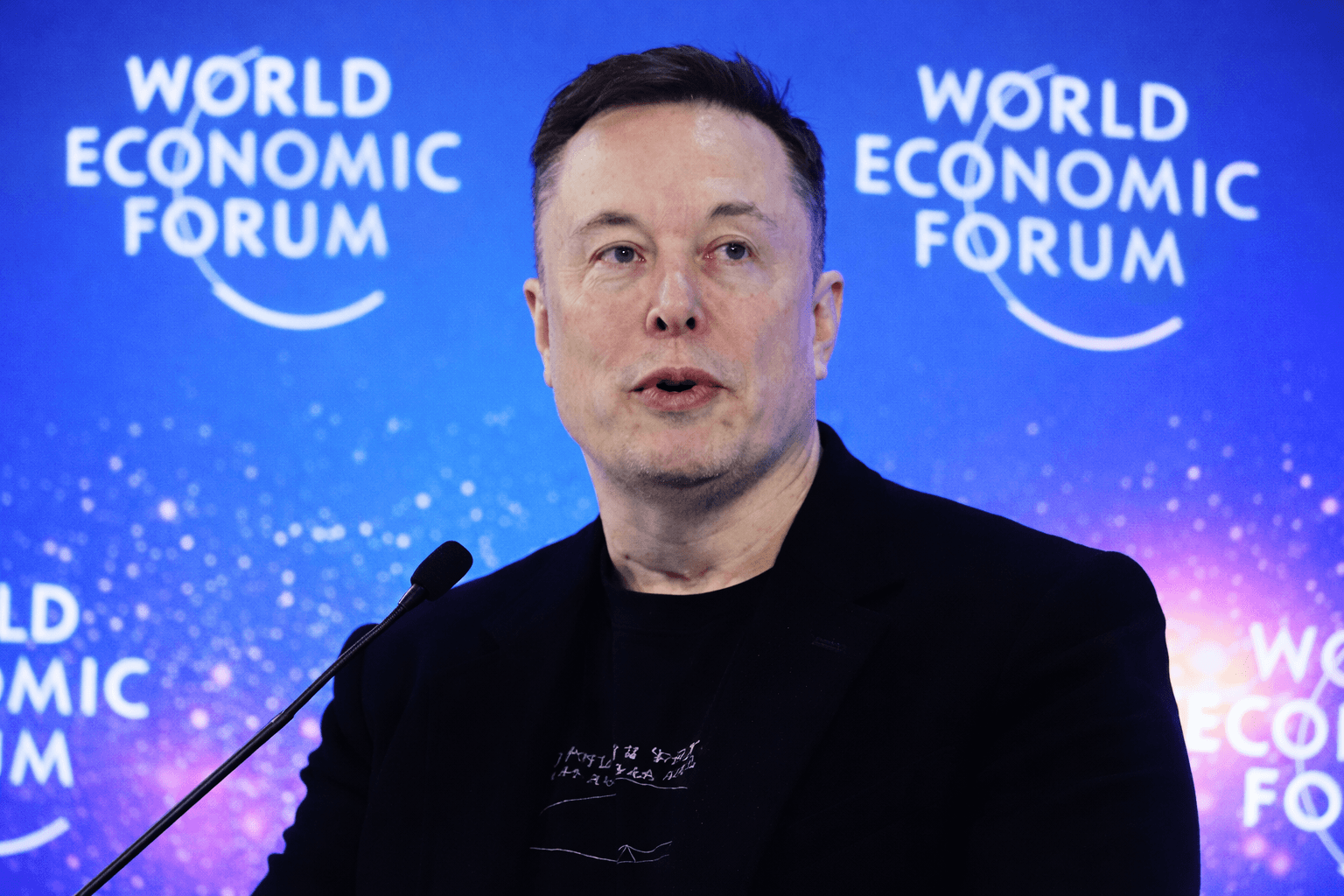
Elon Musk unveiled TeraFab on 21 March 2026 at the defunct Seaholm Power Plant in Austin, Texas — a joint initiative between Tesla, SpaceX, and xAI to build the most vertically integrated semiconductor facility in history. The project targets the production of more than one terawatt (TW) of AI compute capacity annually, with approximately 80% of that output directed toward space-based orbital computing and 20% reserved for ground applications. Musk called it "the most epic chip-building exercise in history so far", comparing the project's ambition to the best science fiction ever written.
"All of the fabs on Earth only provide 2% of what we need for the TeraFab project. We're very grateful to our existing supply chain — we would like them to expand as quickly as they can and we will buy all of their chips. But the expansion rate is much less than we would like, so we need to build our own."
— Elon Musk, CEO, Tesla and SpaceX
What TeraFab Is Building
TeraFab is designed as a fully vertically integrated facility — consolidating chip design, lithography mask fabrication, manufacturing, memory production, advanced packaging, testing, and iterative optimisation all under one roof. The initial pilot facility will be built at the North Campus of Giga Texas in Austin, with the full-scale TeraFab to be constructed at a yet-to-be-determined location. Total cost for the full facility is estimated at US$20–25 billion.
The project targets 2-nanometre process technology — the most advanced node currently entering commercial production — with an initial output target of 100,000 wafer starts per month and a long-term goal of one million wafer starts per month, producing between 100 and 200 billion custom AI and memory chips per year.
Two Chips, Two Missions
TeraFab is technically two facilities, each producing a single chip design for distinct use cases. The first is an inference chip for edge and ground applications — specifically Tesla's Optimus humanoid robots and autonomous vehicles. Tesla's fifth-generation AI chip, AI5, is among the first products the pilot facility will produce, with small-batch production anticipated in 2026 and volume production targeted for 2027. Musk projects that AI5 will deliver 40–50x more effective compute performance in Full Self-Driving tasks over AI4, with 9x memory capacity and bandwidth, at sub-100W power consumption.
The second chip type is a D3 chip custom-designed for SpaceX and xAI's orbital AI satellite ambitions — the space-based data centre layer that would handle the vast majority of TeraFab's total compute output. In space, Musk highlights that chips can rely on solar power and receive at least five times the solar energy available on Earth, without atmospheric attenuation, day-night cycles, or seasonality — making space-based compute both easier and cheaper to scale than terrestrial alternatives.
The Scale of the Ambition — and the Gap With Existing Suppliers
Musk's core argument is a supply constraint one: the world's existing semiconductor fabrication plants — across TSMC, Samsung, Micron, and all other fabs combined — currently provide only approximately 2% of the total compute required for TeraFab's ambitions. The global chip industry currently produces around 20 gigawatts of compute per year. TeraFab's target of one terawatt would represent a 50-fold increase over current global output — from a single facility.
"We either build the TeraFab, or we don't have the chips, and we need the chips, so we build the TeraFab."
— Elon Musk, CEO, Tesla and SpaceX
Robotics, Optimus, and the Galactic Vision
Musk also outlined the broader context driving TeraFab's urgency. He projects that humanoid robot production will eventually surpass vehicle production by 10 to 100 times, with volumes eventually reaching 1 to 10 billion units per year — with Tesla manufacturing a very high percentage of those. The demand for inference chips at that scale exceeds anything existing suppliers could accommodate. Musk also described longer-term ambitions to produce chips on the Moon via an electromagnetic mass driver, and to launch megawatt-scale orbital compute satellites — ultimately putting a petawatt of computing power into space. Tesla's CFO confirmed that the full TeraFab cost is not yet incorporated into Tesla's already record-breaking 2026 capital expenditure plan, which exceeds US$20 billion.
Key Takeaways
- • TeraFab is a joint Tesla / SpaceX / xAI vertically integrated semiconductor facility announced on 21 March 2026 in Austin, Texas — targeting 1 terawatt of AI compute capacity per year, 80% destined for orbital operations.
- • Two chip types: an inference chip for Tesla vehicles and Optimus humanoid robots (Tesla AI5, small-batch 2026, volume 2027), and a D3 orbital AI chip for SpaceX and xAI's space data centre ambitions.
- • Targets 2nm process technology, 100,000 wafer starts/month initially scaling to 1M/month, producing 100–200 billion chips per year at an estimated cost of US$20–25 billion.
- • Musk's core rationale: all existing semiconductor fabs on Earth deliver only ~2% of the compute TeraFab requires. Current global output is ~20 GW per year; TeraFab targets 50x that from a single facility.
- • The TeraFab cost is not yet included in Tesla's 2026 capex plan (already exceeding US$20bn) — and no specific construction or full production timelines have been formally committed.