
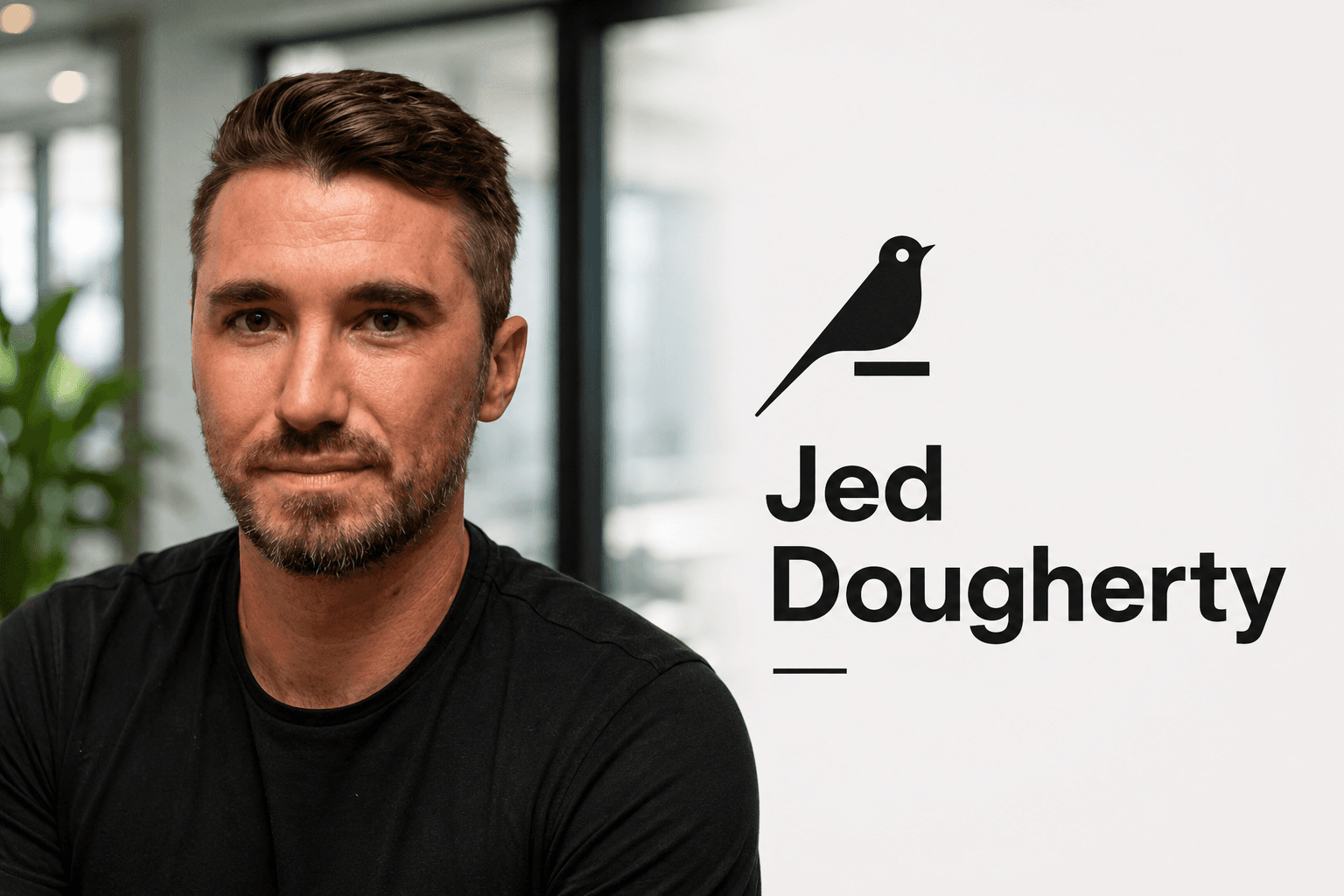
Corporate boards have poured millions into generic AI licences expecting magic — and are now facing the bill without the returns. According to Dataiku's Global AI Confessions Report: CEO Edition, 2026, 78% of CEOs fear AI failures could cost them their jobs. Jed Dougherty, SVP of AI and Platform at Dataiku, explains why unconstrained spending, "shadow AI" and "code slop" are pushing enterprises to rethink AI from the ground up.
Shifting From Hype to Unit Economics
For non-technical C-suite executives trapped in the black box dilemma, evaluating an AI system can feel impossible. Dougherty argues that leaders do not need a computer science degree to govern the technology safely — they can apply foundational business logic to the unit economics of AI.
A good AI strategy replicates or replaces an aspect of an existing business process — if a workflow is augmented with generative AI, leaders should ask whether operational cost goes down or revenue goes up. This shift means moving away from viewing an agent as a single entity and instead treating it as part of a larger, deterministic system that supports human teams rather than replacing them.
"We are all burning compute. Uber burned through its entire AI annual budget in the first three months of this year alone. We're all absolutely burning through it."— Jed Dougherty, SVP Platform & AI, Dataiku
The Reality of Shadow AI
The democratisation of frontier models has brought a familiar threat back to the forefront: shadow AI. Every software vendor — from Salesforce to Snowflake, AWS to Workday — now lets users build agents inside their platforms, meaning unsanctioned AI tools are proliferating across the enterprise.
Dougherty believes this is a reality companies cannot put back in the box, since vendors won't stop offering it and users want it. The solution, he argues, requires a centralised agent management system capable of scanning internal infrastructure to index exactly how many autonomous tools are running under the hood.
Bridging the Gap With Conversational Building
This visual, trust-first approach drives Dataiku Co-build, released last week. Dougherty describes the tool as "the ChatGPT for data with a visual layer that describes how it came to its answers," allowing teams to interact with their data systems through natural conversation without losing oversight.
Ultimately, shifting from "toy" applications to production-grade workflows relies on tools that make human-AI collaboration faster, safer and cleaner. For Dougherty, who has used Co-build for four months, the proof is already in the productivity gains it has delivered to his own workflow.