
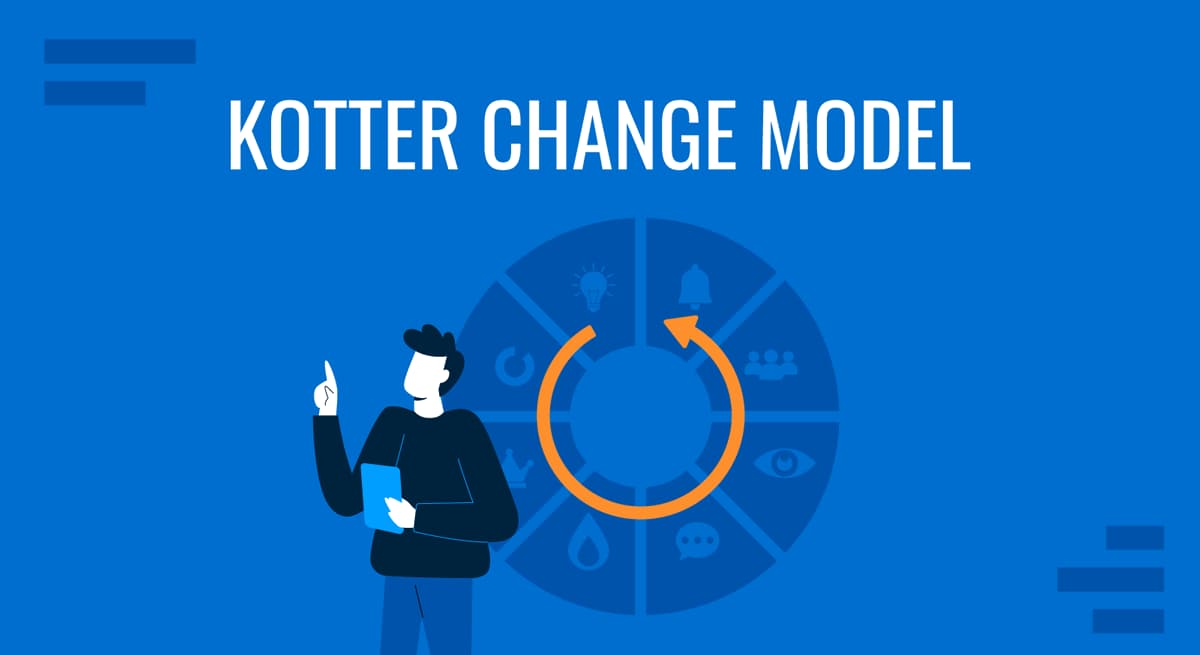
Change Management Tech and Kotter’s Eight-Step Change Model
The pace of organizational change has never been faster. As industries evolve and digital transformation accelerates, modern leaders—especially those in tech-focused roles like CTOs and IT Directors—must adapt swiftly. A vital part of this adaptation is the integration of change management tech: tools that streamline change, offer real-time analytics, and empower decision-making.
Change management is no longer confined to isolated departments. It’s a foundational strategy. As we progress through 2025, technology continues to redefine how organizations adapt and evolve.
For CTOs and executives, understanding these shifts—and effectively leveraging change management tech—is crucial for long-term success. Below, we explore how leaders can navigate transformation using John Kotter’s Eight-Step Change Model.
How CTOs Can Lead Change Management: Kotter’s Eight-Step Model
Change is a constant, and its pace is accelerating. With the rapid rise of AI, market volatility, and global disruptions, organizations must act with agility and resilience.
Kotter’s model, first introduced in 1996, has evolved to support today’s dynamic environment. His updated methodology—featured in his book Accelerate—encourages concurrent actions, broad collaboration, and agile networks.
Let’s break down each step in Kotter’s revised Eight-Step Change Model:
-
Create a sense of urgency
Highlight emerging market opportunities, technological trends, or competitive threats that require immediate action. Urgency inspires alignment and swift execution. -
Build a guiding coalition
Form a diverse, cross-functional group of influencers from across the organization. Their collaboration strengthens change strategies and improves adoption. -
Form a strategic vision and initiatives
Establish a clear vision of the future that aligns with organizational goals. Develop actionable initiatives that bring this vision to life. -
Enlist a volunteer army
Inspire and engage employees who are passionate about transformation. Empower them with tools, information, and autonomy. -
Enable action by removing barriers
Eliminate outdated processes, cultural resistance, and organizational silos that hinder progress. -
Generate short-term wins
Celebrate early successes to build momentum. Share evidence of progress to maintain enthusiasm and stakeholder confidence. -
Sustain acceleration
Continue building on early wins, reigniting urgency, and identifying new opportunities to prevent stagnation. -
Institute changes
Embed new behaviors and systems into the company culture. Reinforce these changes through leadership practices and structural alignment.
Top Change Management Tech Applications
Change management tech enables real-time insight and facilitates fast, coordinated adaptation. Here are leading tools empowering organizations:
-
Google Cloud
Offers machine learning, analytics, and collaborative tools like Google Workspace to guide and monitor transformation. -
Salesforce
Automates workflows and tracks change initiatives through its CRM and Change Management Suite. -
Microsoft Viva
Focuses on employee engagement, learning, and communication during organizational shifts. -
Atlassian Jira
Supports agile project management, enabling transparent, iterative, and collaborative change. -
Oracle Cloud HCM
Aligns HR strategies with change initiatives through automation and data-driven insights. -
Azure DevOps
Enables continuous integration and delivery, streamlining tech transitions in software teams. -
GitHub
Provides tools for version control, code collaboration, and team transparency during tech transformations. -
New Relic
Delivers real-time application monitoring, ensuring optimal performance throughout change cycles. -
Slack
Centralizes communication for change initiatives, integrating with project tools for aligned, agile teamwork.
Is Your Organization Ready for Change Management Tech?
Innovation demands more than new technology—it requires cultural readiness, responsive systems, and empowered people. Leaders must reflect: Are we agile? Do our teams embrace change? Are we driving transformation or reacting to it?
While external pressures often trigger change, sustainable success comes from internal capability. Leaders must foster a proactive mindset, where change becomes a strategic advantage—not a reactive obligation.
Technology alone won’t solve cultural inertia. But when paired with inclusive leadership, transparency, and empowerment, change management tech becomes a powerful catalyst for evolution.
In Brief
Change is no longer a one-off event. It’s a continuous journey of innovation and reinvention. By embracing change management tech and Kotter’s proven framework, leaders can create momentum, inspire teams, and drive long-term success. The future belongs to organizations that adapt faster—and smarter—than the challenges they face.