
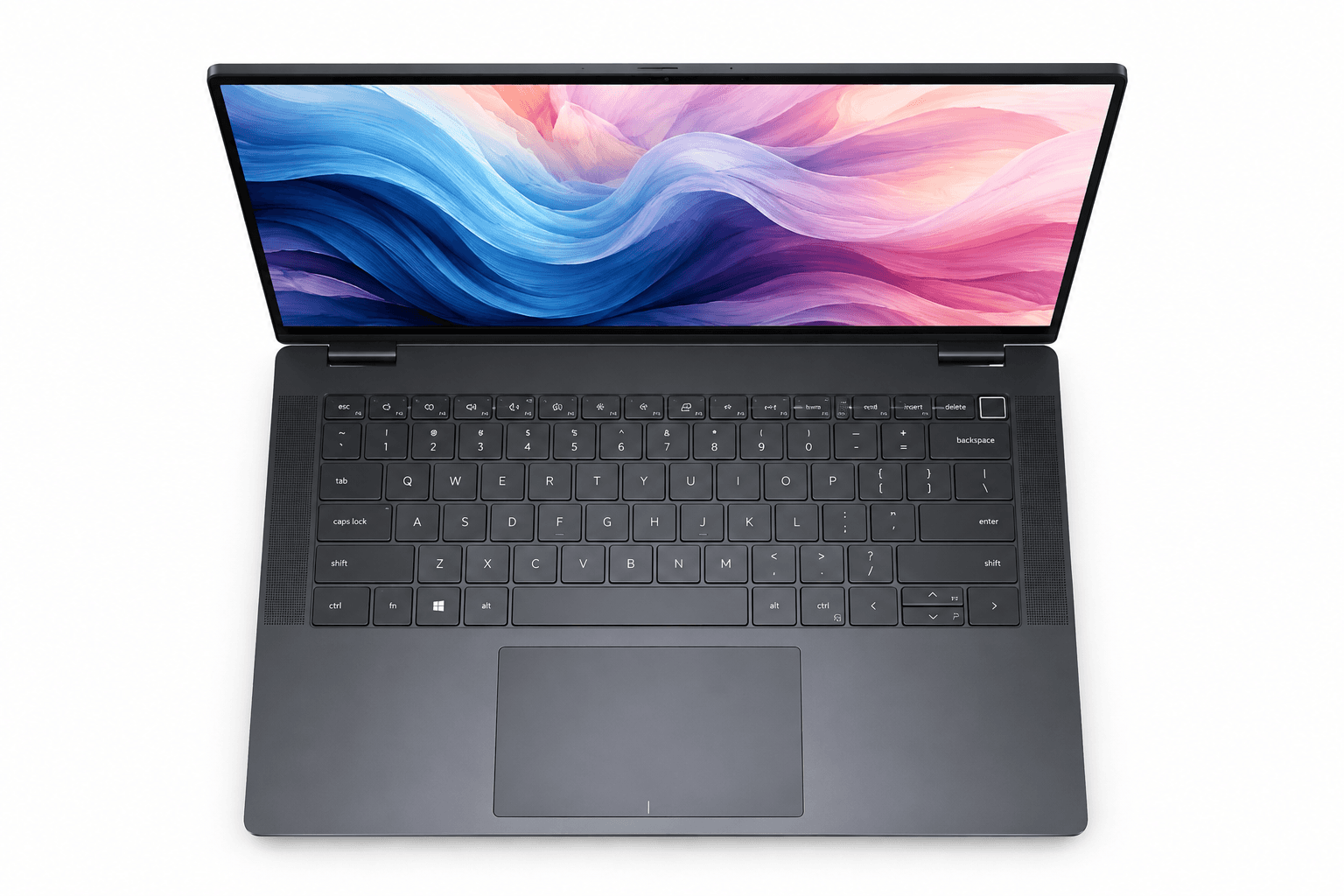
Workplace technology decisions are no longer just an IT procurement matter — they're becoming a talent strategy. Louise Quennell, Senior Director, Client Solutions Group UK at Dell Technologies, argues that handing a new hire an AI PC on day one signals genuine investment in employee experience, at a moment when organisations are shifting from AI pilots to everyday, embedded use.
From Novelty to Everyday Tool
Employees increasingly expect their devices to absorb repetitive work — summarising meetings, triaging inboxes, automating routine reporting. Running these tasks on ageing hardware creates friction that erodes the overall employee experience. Offloading low-value work to on-device AI frees people to focus on creative, collaborative and strategic tasks instead.
Quennell also points to a cultural shift: AI PCs help establish new habits at work. Giving employees modern tools from the outset makes AI a natural part of the working day, rather than a separate skill they have to seek out on their own.
Bridging the Digital Skills Gap On-Device
Once organisations move past initial AI adoption, the next challenge is building employee confidence with the technology day to day. AI PCs make that easier by embedding AI into familiar applications and dedicated features such as the Copilot key, narrowing the distance between employees and AI tools.
Small, everyday interactions — summarising a meeting, drafting content, locating information — build familiarity over time, helping organisations move from isolated experimentation toward broader, more consistent adoption.
"AI PCs can help move organisations from isolated experimentation to widespread adoption"— LOUISE QUENNELL, SENIOR DIRECTOR, CLIENT SOLUTIONS GROUP UK, DELL TECHNOLOGIES
Modernising the Daily Work Experience
As corporate hardware ages, many businesses hit what Quennell calls the "Refresh Gap" — the accumulated time lost to daily micro-frictions like inconsistent display setups, sluggish app switching, mid-deadline update prompts and battery anxiety.
Modern AI PCs help close that gap by handling AI-enabled workloads more efficiently, letting employees move between applications and meetings with fewer disruptions. Many organisations are still building the foundations for broader AI adoption — device refresh cycles, legacy infrastructure and workplace readiness remain common hurdles.
Key Technology Partners Powering Dell's AI PC Ecosystem
Dell's AI PC strategy leans on close collaboration with chipset and platform partners, each contributing a different layer of the on-device AI stack. Microsoft's Copilot and Copilot+ PC platform supplies the software layer and embedded assistants that turn local NPU hardware into everyday tools.
Intel's Core Ultra processors power much of Dell's Latitude and Pro portfolio, balancing sustained performance with battery efficiency. Qualcomm's Snapdragon X series, built on its Oryon CPU and Hexagon NPU, drives a growing share of Dell's Copilot+ laptops with strong battery life and on-device AI performance. For heavier creative and AI development workloads, Dell pairs its lineup with NVIDIA RTX-class GPUs, extending the same local-processing approach to more demanding compute tasks.