
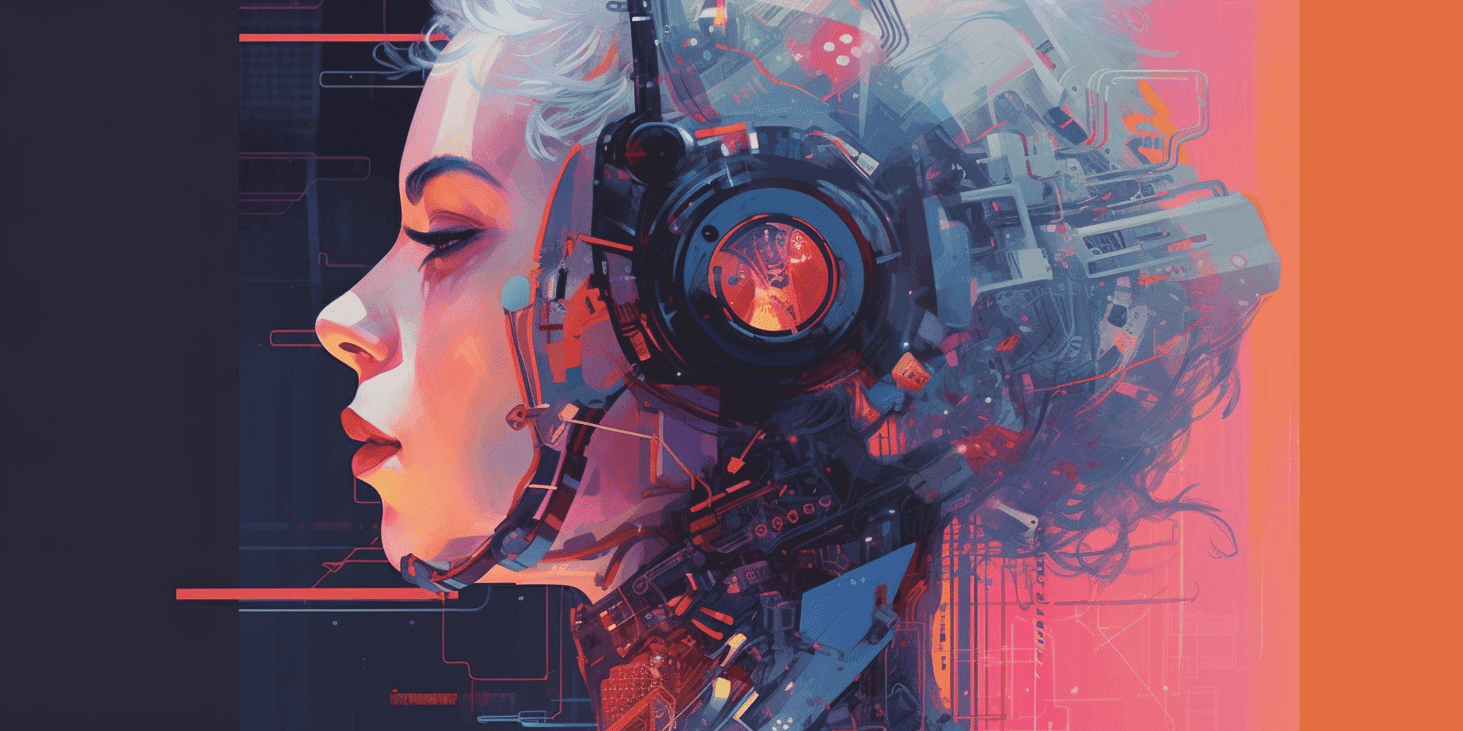
AI Through an Artist’s Lens: Google’s Challenge to Rethink Technology’s Impact
As artificial intelligence becomes increasingly integrated into modern life, its influence extends from healthcare to entertainment. Yet, conversations about AI often stay rooted in technical jargon—neural networks, data models, robots, and machine learning. Seeking to deepen public understanding, Google has partnered with artists to envision AI differently. The result: Alternative Images of AI, a photography-based project that reimagines AI not through robotic tropes, but through the lens of human experience.
This initiative, commissioned by Google’s Envisioning Studio, involves photographers using speculative imagery to portray AI’s societal impact. The exhibition aims to create a more relatable and nuanced visual narrative, engaging both the public and executive leaders in rethinking AI’s role in our world.
The Challenge of AI Imagery: Breaking Through the Cliché
AI has long been portrayed using robotic and futuristic imagery, which can distort public perception by focusing on its mechanical rather than societal dimensions. This cliché-driven depiction contributes to a disconnect between the technology and its human implications.
Google’s initiative offers an alternative: new artistic interpretations that emphasize AI’s social relevance. As Alice Moloney, Staff Creative Strategist at Google, shared on LinkedIn, the project explores how AI feels and encourages reflection on its growing role in photography and beyond.
Max Pinckers: Visualizing Glitches and Reflections
Photographer Max Pinckers explores AI’s imperfections and mimicry. In Accidental Convergence, he captures six couriers in Brussels—each summoned by AI to the same location—symbolizing technological errors in urban logistics. This moment of confusion underscores the risks of over-relying on AI systems.
In another piece, Double Take, Pinckers uses twins as a metaphor for how AI models mirror human identity. The image blurs the line between reality and replication, prompting viewers to question how AI shapes our perception of authenticity.
Farah Al Qasimi: AI as a Tool for Connection
Farah Al Qasimi offers a gentler vision. Her photograph Aquarium depicts a man using AI to understand his pet cockatoo and fish. Rather than dominating the frame, AI quietly enables deeper human-animal connections, suggesting a future where AI enhances emotional understanding instead of replacing it.
Charlie Engman: AI and Global Waste Dynamics
In Kantamanto Registry, Charlie Engman turns the lens on Ghana’s Kantamanto Market—one of the world’s largest secondhand clothing hubs. Engman envisions an AI system that helps manage waste and inventory, highlighting AI’s potential in addressing global challenges such as environmental degradation and economic inequality.
Engman’s work critiques the narrow, Western-centric AI narrative and pushes for a broader, more inclusive discourse that considers how AI might function in diverse, real-world settings.
Visuals Shape Narratives, Narratives Shape Action
Mira Lane, Google’s head of Technology & Society, emphasizes that AI’s imagery matters. Reducing AI to stereotypes limits understanding and stifles innovation. Through diverse visual storytelling, projects like Alternative Images of AI expand public imagination and promote responsible engagement with technology.
The Broader Impact: Creativity, Labor, and Ownership
Beyond imagery, the rise of AI-generated art—from tools like MidJourney and DALL·E to Stable Diffusion—raises ethical questions. Can AI create true art? Who owns it? How do we value human creativity in an era of machine-made masterpieces?
Research shows that even when AI art matches human work in quality, it’s often rated as less creative. This suggests society still cherishes the human element in artistic expression. Interestingly, the presence of AI art may actually enhance appreciation for human-made pieces.
For CTOs: A Call to Human-Centered Leadership
As AI reshapes how we work and create, tech leaders must look beyond innovation and efficiency. Chief Technology Officers should recognize how AI’s public imagery affects its adoption and perception. Ethical, human-focused leadership is essential in guiding organizations through this transformative era.
In Summary
Alternative Images of AI invites us to reconsider AI’s place in our lives through the powerful lens of visual art. It’s not just a project—it’s a call to deepen our societal understanding of technology. As AI continues to evolve, the challenge lies not only in mastering its capabilities but also in shaping its cultural and emotional resonance.