
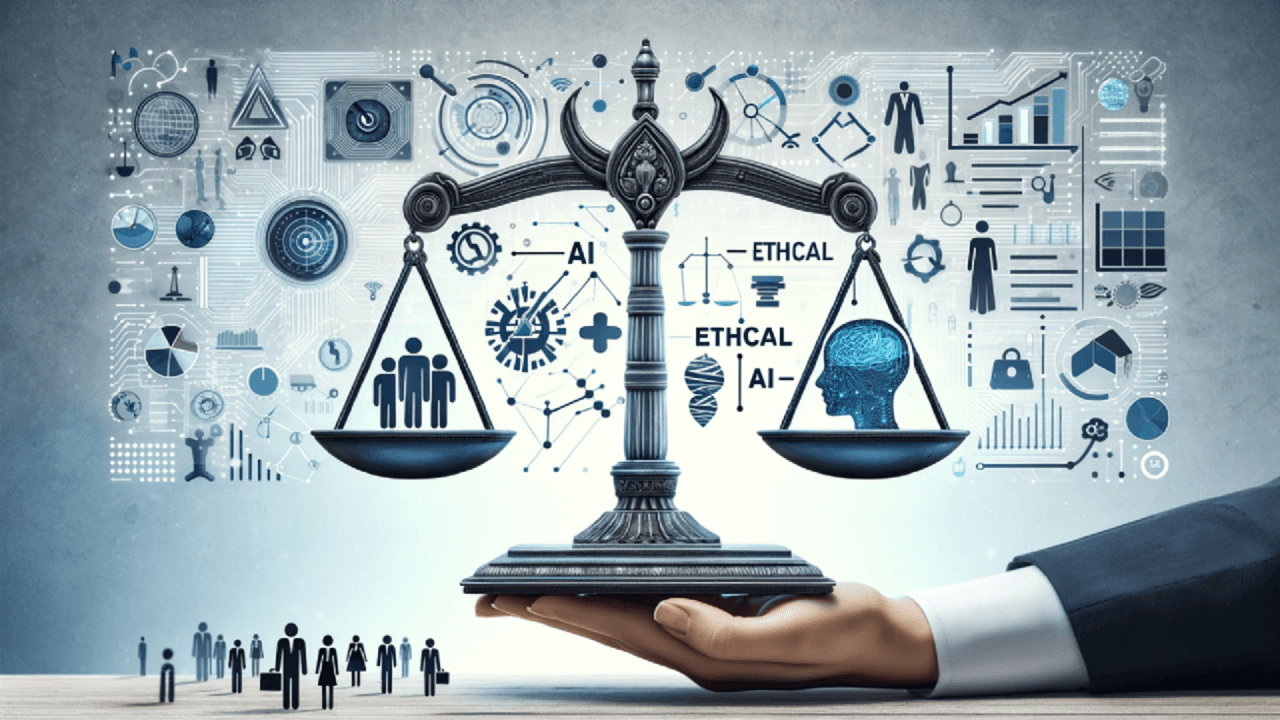
Gaurav Singh on Navigating the Ethical Challenges and Accountability of AI
AI in the Industry is an exclusive interview series exploring real-world applications of AI across niche verticals, highlighting how deeply digital transformation can redefine industries and work life.
AI has become a cornerstone of modern business strategies, automating routine tasks, enhancing decision-making, and streamlining operations. Gaurav Singh, Chief Technology Advisor at Pinkerton, discussed the growing influence of AI in business operations and offered critical insights into the balancing act between technological advancement and societal responsibility. His dual expertise in technology and governance made his perspective especially invaluable as he addressed the urgent need for transparency and fairness in AI deployment.
“The automation of tasks offers great benefits,” Singh said, “but it also raises questions about accountability, especially when AI systems make decisions that directly impact people’s lives. We need to ensure that these technologies are not only efficient but also fair and transparent.”
He emphasized the importance of pairing predictive analytics with stringent oversight. As AI is used to predict market trends, consumer behavior, and societal patterns, ensuring that these systems remain free from bias is crucial. “The risk is that AI models can inherit biases from their training data, which could inadvertently reinforce stereotypes or create unfair advantages,” Singh explained.
How do you see AI transforming business operations in the coming years?
Singh: AI is already playing a significant role in transforming business operations, and this trend will only intensify. We are seeing businesses automate routine tasks, enhance decision-making through predictive analytics, and improve customer experiences. Looking forward, AI will automate even more complex processes, allowing companies to focus on strategic and creative initiatives. However, it’s vital to address the ethical challenges accompanying this technological shift to ensure AI systems remain fair, transparent, and unbiased.
What do you believe is the most critical ethical challenge with AI today?
Singh: The most critical ethical challenge today is ensuring fairness and eliminating bias. Since AI systems are often trained on historical data that reflects societal biases, there is a risk of perpetuating or even amplifying those biases. This is particularly concerning in sensitive areas like hiring, lending, healthcare, and criminal justice. We need robust frameworks to ensure AI decisions are based on unbiased data and to establish accountability measures for when systems fail. Protecting vulnerable populations and preventing the deepening of existing inequalities is essential.
Your session highlighted the importance of accountability in AI decision-making. How do you believe we can ensure AI systems remain accountable?
Singh: Accountability starts with transparency. AI systems must clearly explain how decisions are made, particularly when those decisions impact individuals' lives. This includes developing explainable AI algorithms and ensuring users have access to understandable explanations. When mistakes occur, there must be a clear process for investigating and rectifying the issues. Independent audits, regular monitoring, and giving users the ability to challenge AI-driven decisions are critical. Organizations must also define internal responsibility structures to oversee AI operations effectively.
What role do you think tech industry leaders, particularly CTOs, should play in shaping the ethical governance of AI?
Singh: CTOs and tech leaders have a pivotal role in shaping the ethical governance of AI. As the primary developers and deployers of these technologies, they must ensure innovation goes hand-in-hand with responsibility. CTOs should advocate for fairness, transparency, and accountability, collaborating with regulators, policymakers, and stakeholders to build ethical standards. Internally, they should implement policies that prioritize ethical AI practices and foster a corporate culture that values responsible technology use for the broader benefit of society.
What steps do you believe are necessary to ensure that AI serves the public good while mitigating risks?
Singh: A multi-faceted approach is needed to ensure AI serves the public good. First, we require robust regulations focused on transparency, fairness, and accountability. Ongoing oversight mechanisms, such as regular audits for bias and fairness, are also essential. Additionally, tech companies must proactively address ethical concerns by designing AI systems with inclusivity and fairness from the start, not as an afterthought. Collaboration between industry leaders, government bodies, and the public will be crucial in creating a responsible AI ecosystem that benefits everyone.