
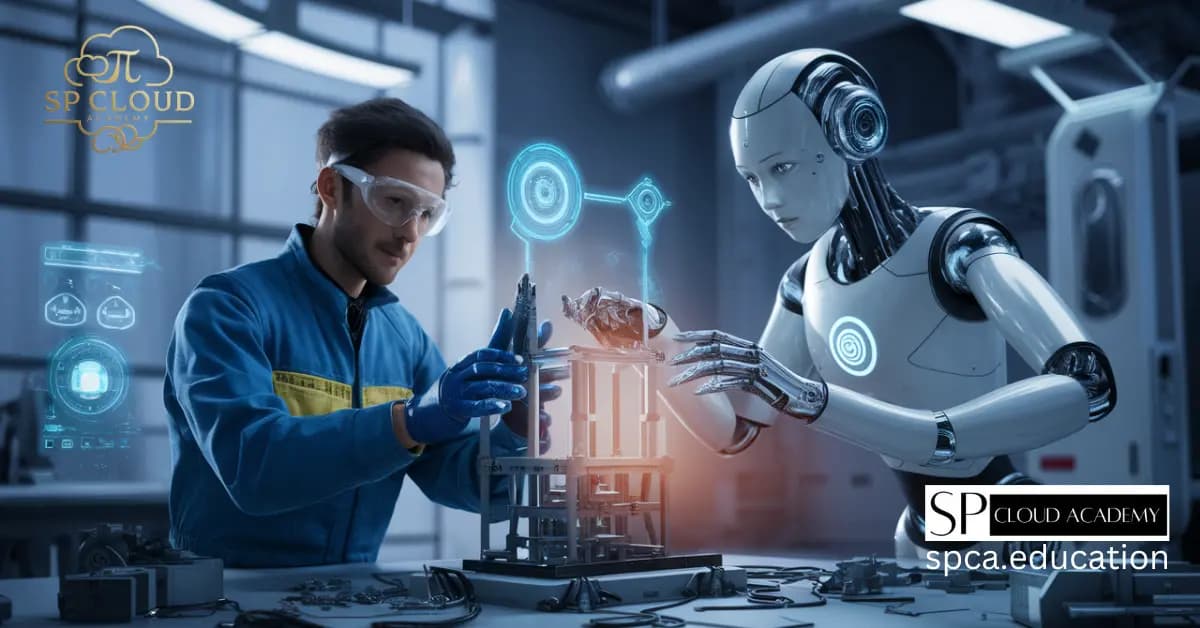
Navigating the Intersection of AI and Human Creativity in the Workplace
As rapid technological advancements continue to reshape the future of work, CTOs and decision-makers are increasingly faced with the challenge of balancing the strengths of artificial intelligence with the irreplaceable nuances of human creativity.
AI tools are becoming capable of performing tasks that were once considered the domain of humans alone. This convergence, however, is not without friction. The integration of AI into creative processes has sparked complex ethical and moral debates, forcing a reevaluation of how we define and nurture creativity in a tech-assisted world.
Ensuring a productive and ethical collaboration between AI and humans requires addressing challenges around transparency, accountability, and algorithmic bias. So how can we forge a harmonious relationship between human innovation and machine intelligence?
Understand the Limits of AI
AI is not an all-powerful solution. These tools rely on large datasets and complex algorithms that can still lead to errors or misjudgments. By educating users about what AI can and can’t do, we set realistic expectations and build a stronger foundation for collaboration.
Human skills like emotional intelligence, moral reasoning, and contextual awareness remain essential—particularly when navigating gray areas that AI isn’t equipped to handle.
Communicate with Clarity
Successful integration of AI into the workplace relies on clear communication—not only among human team members, but between humans and machines. Trust, collaboration, and aligned expectations are key to achieving shared goals.
Embrace Diversity in Intelligence
AI systems, much like human workers, vary in their capabilities and specializations. By understanding the diversity in AI models—such as those focused on vision, language, or analytics—teams can better leverage them in complementary ways. Embracing both technological and human diversity enables richer, more inclusive problem-solving approaches.
Cultivate Adaptability
Adaptability is as vital as reskilling and upskilling in an AI-driven world. Adopting a growth mindset—being open to change, willing to learn, and ready to explore new solutions—equips professionals to thrive in dynamic environments.
Manage Emotions and Stress Effectively
Working with technology can be frustrating, especially when systems fail or don’t behave as expected. Likewise, some AI platforms are programmed to respond to emotional cues. Emotional regulation, self-awareness, and a willingness to seek support when needed ensure smoother collaboration across human-machine teams.
Leverage AI—but Don’t Depend on It
AI is a powerful assistant in tasks involving data analysis, automation, and pattern recognition. But it lacks emotional depth, moral insight, and the kind of intuitive leaps that define human creativity. Always use AI as a tool—not a replacement—for human judgment and expression.
The Road Ahead for AI and Creativity
The future promises a greater blend of AI and human insight. With ethical design and thoughtful deployment, AI can complement rather than compete with human creativity. This means building AI systems that amplify innovation while preserving the core human elements of empathy, imagination, and cultural sensitivity.
As the next generation of the internet takes shape, it’s crucial to establish ethical frameworks and prioritize human-centric design that encourages sustainable, inclusive growth.
In Brief
As AI becomes more embedded in the workplace, human-AI collaboration will be essential for innovation. While friction and competition may arise, the most successful strategies will be those that promote synergy, respect individual strengths, and unlock new creative frontiers.