
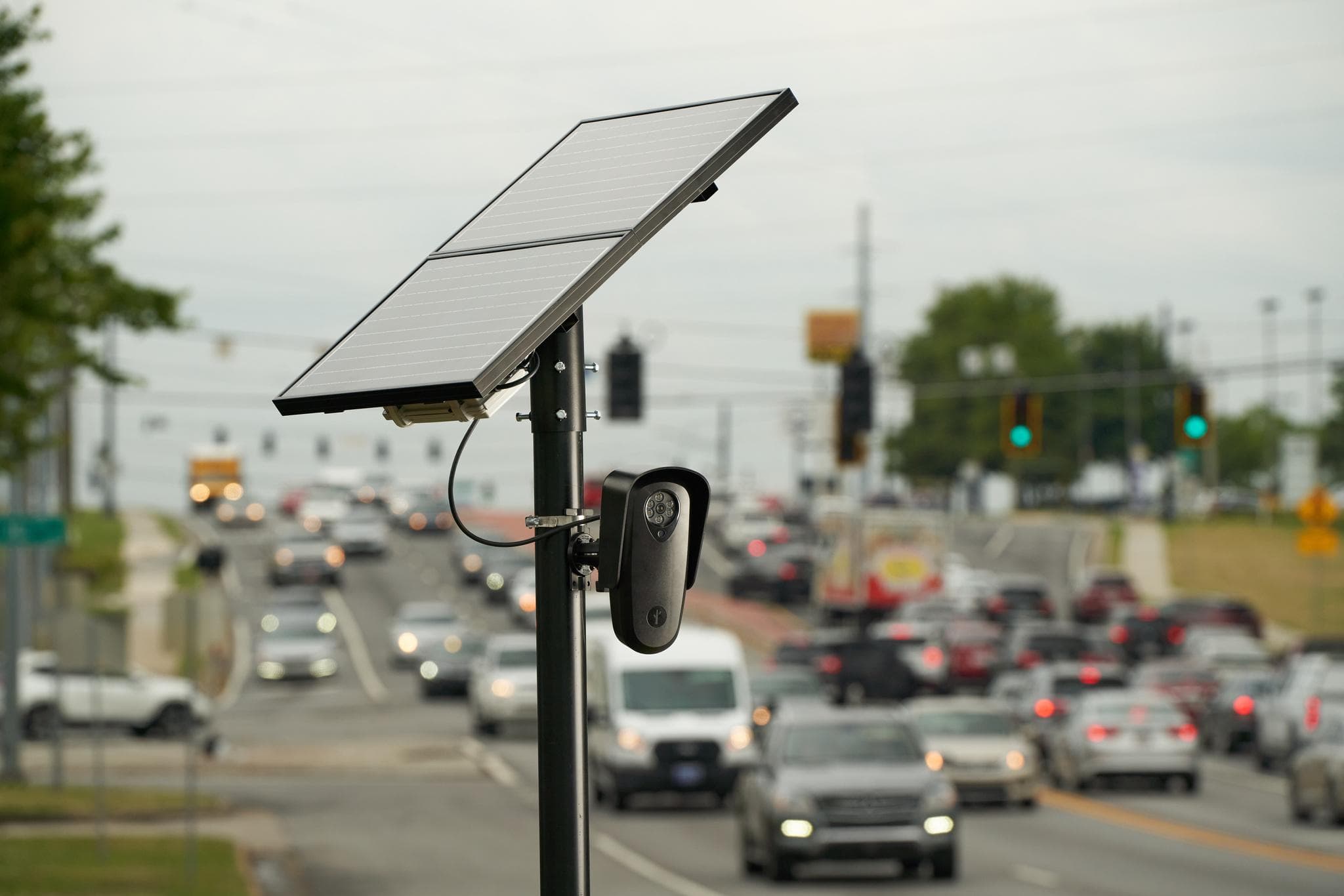
A hacker collective gained physical access to a Flock Safety surveillance camera and extracted a large amount of data from the device, giving researchers an unusually detailed look at how the system operates.
According to a joint investigation by WIRED and 404 Media, the recovered data showed that one camera captured approximately 1.6 million images of around 50,200 vehicles over roughly 21 days.
The investigation found that the camera doesn't simply capture license plates. Its software can also detect people, vehicles, bicycles and other objects. A single passing vehicle could generate dozens of images, with some producing more than 100.
Researchers also discovered an encryption key stored on the device that helped unlock some of the camera's stored media. The camera itself appears to send captured information to Flock's servers, where additional analysis such as vehicle classification and movement tracking takes place.
The investigation also highlighted the scale of Flock's surveillance network. In one example examined by WIRED, records from cameras in Alpharetta, Georgia, were accessible to more than 2,000 agencies, including police departments, colleges and airports.
Flock Safety said unauthorized removal or tampering with its cameras is illegal and pointed to its vulnerability disclosure process for security researchers.
Why this matters
The incident raises broader questions about:
How surveillance-camera data is protected
What information is actually collected by AI cameras
Who can access location and vehicle records
How long surveillance data remains available
The security of connected physical devices
The bigger story isn't just that a camera was hacked — it's what the recovered data revealed about the technology operating behind the camera.